Fifteen Dollars and a Mirror: The Drugstore Chignon That Reads Expensive
Photo: Eva Rinaldi, CC BY-SA 2.0, via Wikimedia Commons
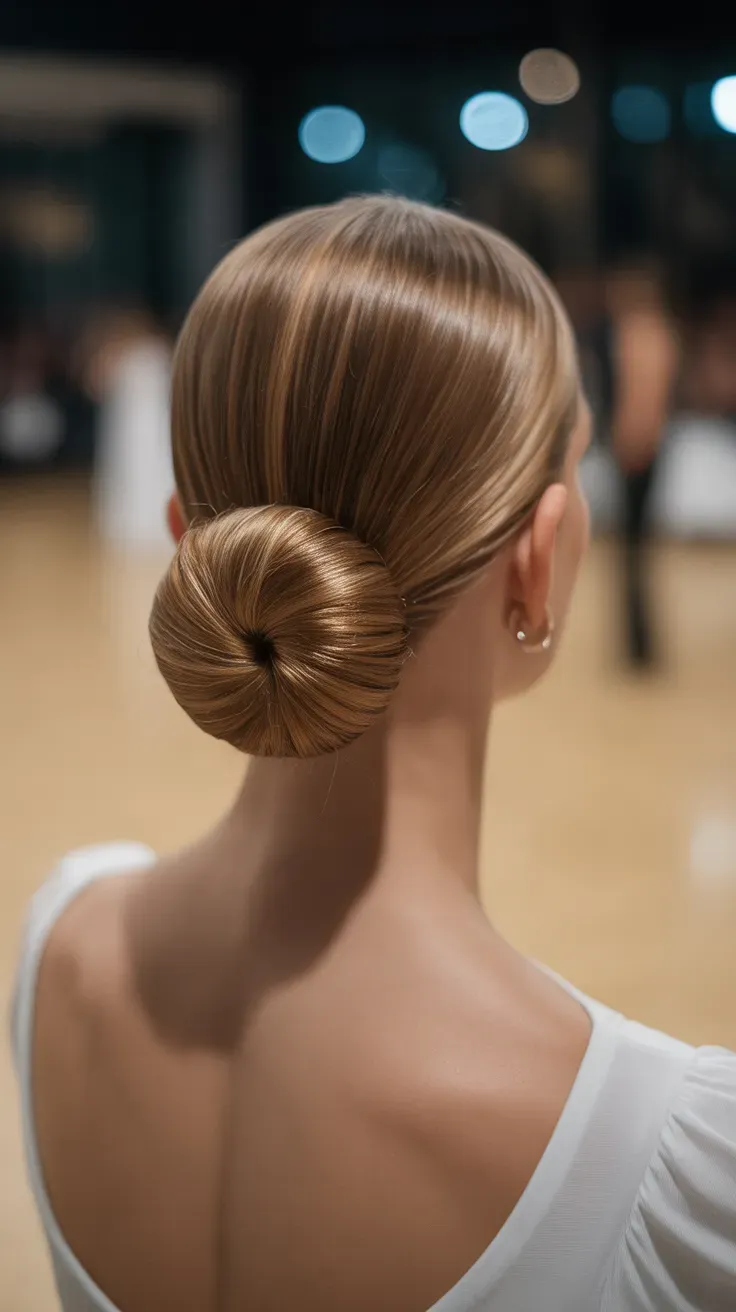
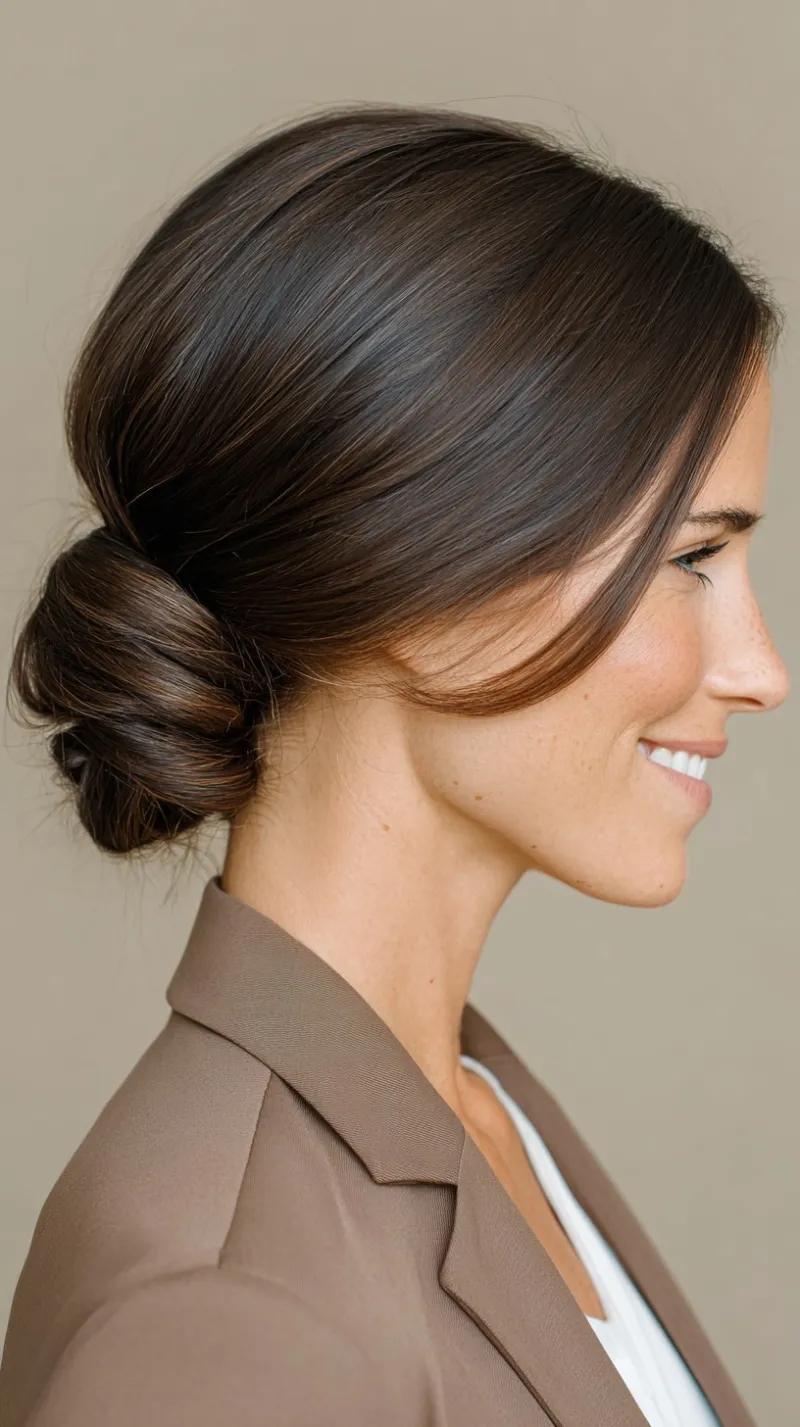
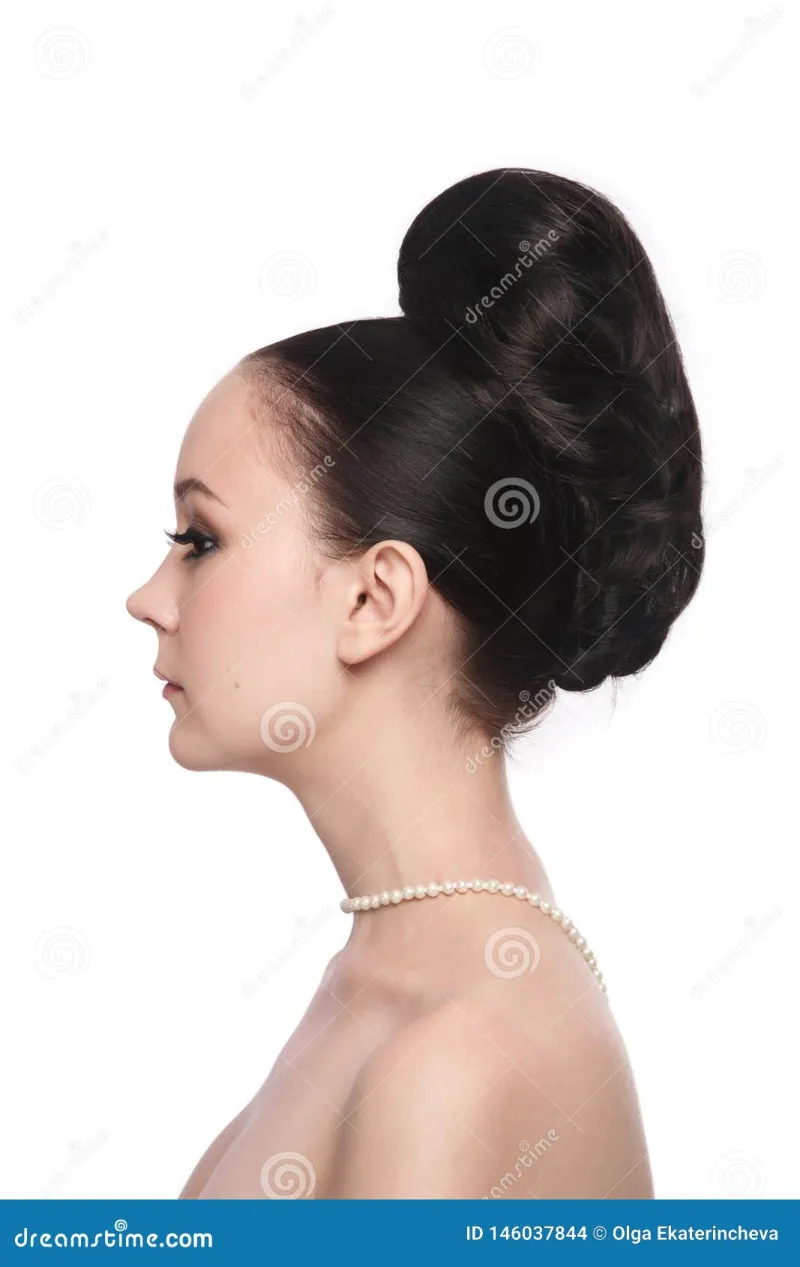
There's a lingering myth in beauty circles that a truly elegant updo requires a truly elegant receipt. A $65 blowout. A $40 texture mist. A stylist named after a European city. Here's the truth your bathroom mirror already suspects: a great chignon is about technique, not price tags. The bun itself is free. Everything else can come from the aisle at CVS.
We talked to stylists who work weddings, news desks, and salon floors across the country, and their consensus was refreshingly blunt — the expensive stuff rarely outperforms the drugstore, it just smells fancier.
The $15 Ceiling Is Real
"Ninety percent of my kit is under fifteen bucks," says a Chicago-based stylist who works bridal parties on weekends and corporate headshots on weekdays. "Clients are always shocked. They assume I'm using something from Japan that costs a fortune. No. It's a $6 gel and good pins."
Her budget shortlist, echoed by nearly every pro we spoke to:
- Gel or edge control under $8 — any alcohol-free gel with real hold. Slicking back the hairline is what separates "bun" from "chignon."
- A boar-bristle or nylon-bristle brush under $10 — drugstore versions of the classic smooting brush work identically to salon brands.
- Bobby pins that match your hair — this is the one place stylists beg you not to cheap out on color. Black pins in blonde hair read like staples in drywall.
- A light-hold hairspray under $7 — flexible hold, not lacquer. You want movement, not a helmet.
- Optional: a $5 texturizing powder or dry shampoo — second-day hair is actually better for updos. Freshly washed hair slips.
That last point surprises everyone. "The number one mistake I see is women washing their hair right before an updo," one Los Angeles stylist told us. "Day-two hair with a little dry shampoo at the roots has grip. It holds a shape. Day-one hair is like trying to style wet noodles."
The Five-Minute Chignon, Step by Step
Once your kit is assembled, the process itself takes less time than deciding what to watch.
Step 1: Build your base. Brush hair back into a low ponytail at the nape of your neck. Skip the elastic position you've used since middle school — a low placement is what makes it a chignon and not a gym bun. Smooth the hairline with a fingertip's worth of gel and your bristle brush.
Step 2: Create the twist. Split the ponytail into two sections. Twist them around each other, then wrap the twisted length around the base of the ponytail itself, forming a flat coil. Tuck the ends underneath.
Step 3: Pin with intention. Here's where most DIY buns fail — people pin straight down. Instead, insert each bobby pin into the bun first, then rotate it 180 degrees so the wavy side grips hair against your scalp. Use four to six pins in a crisscross pattern. It should feel snug, not painful.
Step 4: Loosen deliberately. Gently tug a few pieces at your temples and crown. A slightly undone chignon reads effortless; a vacuum-sealed one reads recital.
Step 5: Set and go. One pass of flexible-hold spray, held eight inches away. Done. Total damage: under fifteen dollars in products, most of which will last you months.
Where the Money Actually Matters
If you're going to splurge anywhere, stylists pointed to two things — and neither is a product. First, pin quality: pins that bend easily or lose their grip will undo your work by lunch. Second, practice. "The most expensive thing in an updo is the stylist's hands," one said. "And you can train your own hands for free. Do it twice on a Sunday night while watching TV. By the third attempt it's muscle memory."
There's also something quietly satisfying about the whole equation. The chignon has always been the thinking woman's hairstyle — Audrey Hepburn at the insurance office, Ruth Bader Ginsburg at the bench, your sharpest coworker before a board meeting. It's a style that says the effort was in the ideas, not the maintenance.
A drugstore kit doesn't undercut that. Honestly, it completes it.